 EN
EN
 Chinese
 Turkish
 Indonesian
 German
 French
 Spanish
 Portuguese
 Russian
 Italian

The Role of Recycled Synthetic Materials in Sustainable Manufacturing
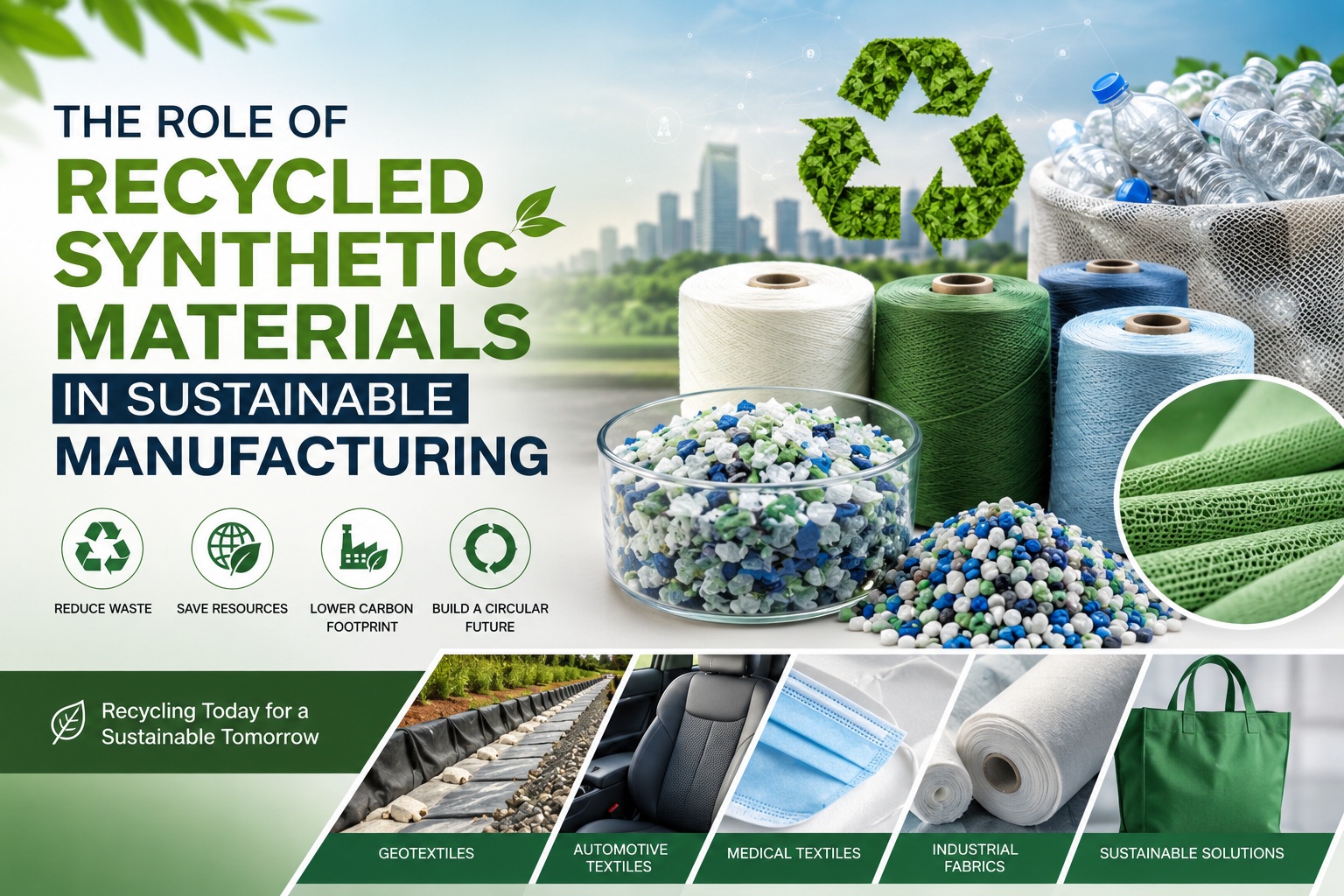
As industries around the world strive to reduce their environmental impact and embrace sustainable production practices, recycled synthetic materials are becoming increasingly important in modern manufacturing. From textiles and packaging to automotive components and construction materials, manufacturers are seeking innovative ways to reduce waste, conserve natural resources, and lower carbon emissions. Recycled synthetic materials offer a practical solution that supports both economic growth and environmental sustraw materials for new products.
Recycled synthetic materials are produced by collecting, sorting, processing, and converting used plastic products, textile waste, and industrial scrap into reusable fibers, pellets, and compounds. These materials can then be incorporated into manufacturing processes, reducing the need for virgin raw materials while extending the lifecycle of valuable resources.
One of the most significant advantages of recycled synthetic materials is their ability to reduce environmental impact. Producing recycled polyester, for example, typically requires less energy and generates fewer greenhouse gas emissions compared to manufacturing virgin polyester from petroleum-based resources. By utilizing recycled feedstock, manufacturers can significantly decrease their carbon footprint and contribute to global sustainability goals.
The textile industry is one of the largest beneficiaries of recycled synthetic materials. Recycled polyester fibers made from discarded plastic bottles and textile waste are increasingly being used in apparel, technical textiles, home furnishings, industrial fabrics, and nonwoven products. Many global brands have established ambitious sustainability targets that include increasing the use of recycled materials throughout their supply chains.
In the technical textile sector, recycled synthetic materials are creating new opportunities for innovation. Advanced recycling technologies now allow manufacturers to produce high-performance materials suitable for geotextiles, automotive textiles, filtration products, construction fabrics, protective clothing, and industrial applications. These products offer comparable performance to traditional materials while supporting environmental responsibility.
Bangladesh, as one of the world's leading textile manufacturing countries, is well-positioned to benefit from the growing demand for recycled synthetic materials. The country's extensive textile manufacturing infrastructure, export-oriented economy, and increasing focus on sustainability create favorable conditions for investment in recycling technologies and circular manufacturing systems.
As international buyers place greater emphasis on environmental compliance and sustainable sourcing, Bangladeshi manufacturers are increasingly adopting recycled materials to meet global market requirements. This transition not only enhances competitiveness but also opens access to premium markets where sustainability credentials are becoming a critical purchasing factor.
The concept of a circular economy is also driving the adoption of recycled synthetic materials. Unlike traditional linear production models that follow a "take, make, and dispose" approach, circular manufacturing seeks to keep materials in use for as long as possible through recycling, reuse, and resource recovery. Recycled synthetic materials play a central role in this transformation by turning waste into valuable industrial resources.
Technological advancements are accelerating progress in this field. Chemical recycling, mechanical recycling, fiber-to-fiber recycling, and advanced sorting technologies are improving the quality, consistency, and availability of recycled materials. These innovations are helping manufacturers overcome traditional challenges associated with recycled feedstocks and expand their applications across diverse industries.
Government policies, industry collaborations, and corporate sustainability commitments are further supporting market growth. Around the world, regulators are introducing measures to encourage recycling, reduce landfill waste, and promote the use of sustainable materials. These initiatives are creating favorable conditions for investment and innovation in recycled synthetic materials.
Looking ahead, the demand for recycled synthetic materials is expected to continue growing as industries pursue greener manufacturing practices and consumers increasingly prefer environmentally responsible products. Companies that invest in sustainable materials today will be better positioned to meet future regulatory requirements, customer expectations, and market opportunities.
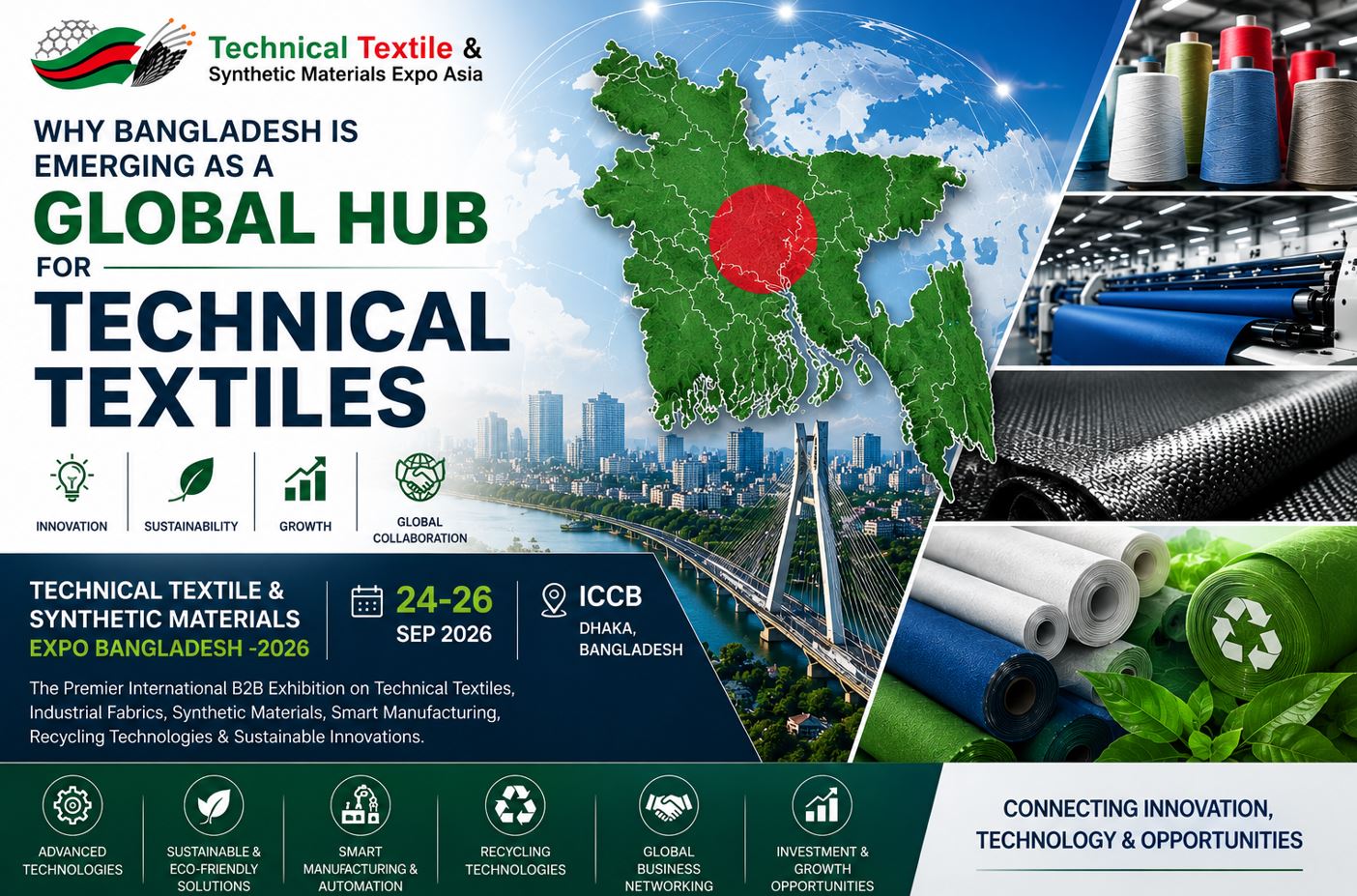
The Technical Textile & Synthetic Materials Expo Bangladesh 2026, taking place in September 2026 at the International Convention City Bashundhara (ICCB), Dhaka, Bangladesh, will showcase the latest innovations in recycling technologies, sustainable materials, circular economy solutions, and advanced manufacturing systems. The exhibition will provide a valuable platform for manufacturers, technology providers, investors, and industry professionals to explore the future of sustainable industrial development.
As sustainability becomes a key driver of industrial competitiveness, recycled synthetic materials are no longer simply an environmental alternative—they are becoming an essential component of modern manufacturing. By embracing recycling, innovation, and circular production models, industries can create long-term value while contributing to a more sustainable and resource-efficient future.
About the Author