 EN
EN
 Chinese
 Turkish
 Indonesian
 German
 French
 Spanish
 Portuguese
 Russian
 Italian

Bangladesh Technical Textile Market Forecast 2025–2035
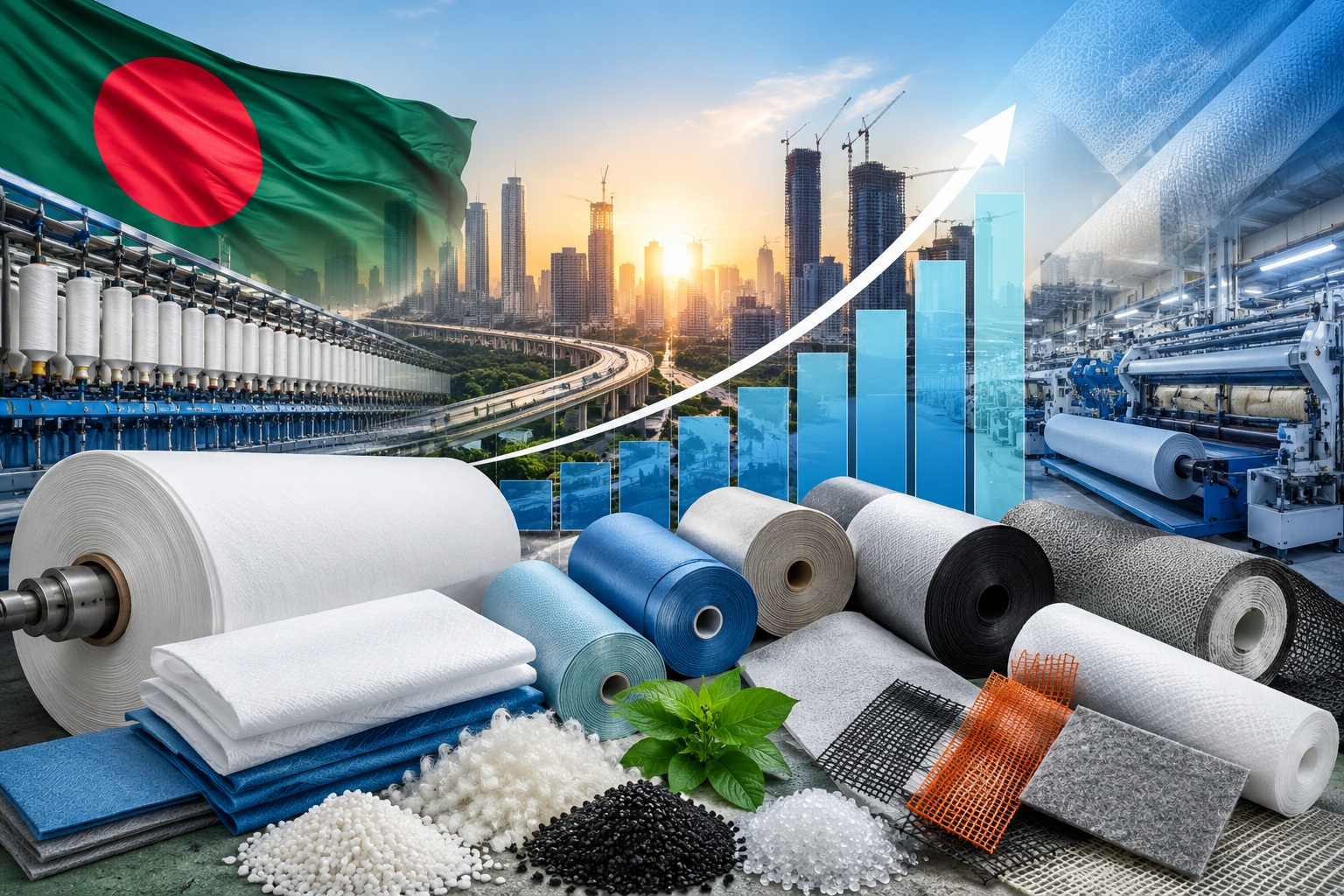
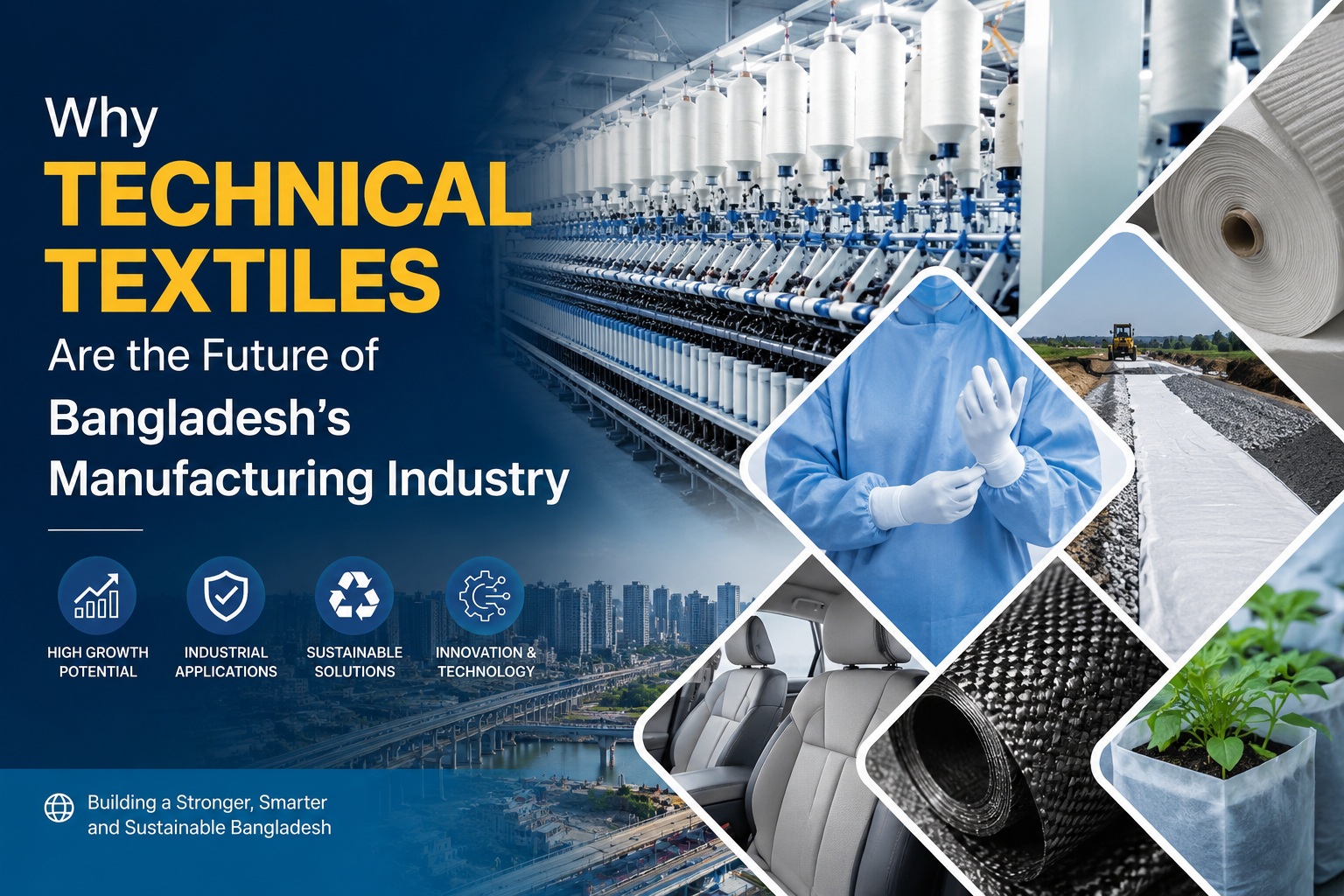
Bangladesh is steadily emerging as one of Asia’s most promising destinations for technical textiles, industrial fabrics, and synthetic materials manufacturing. After establishing itself as one of the world’s leading apparel manufacturing nations, the country is now moving toward high-value, technology-driven textile industries that offer greater innovation, sustainability, and long-term economic growth.
The global technical textile industry is currently one of the fastest-growing sectors within the textile value chain. Increasing demand for advanced materials, industrial fabrics, smart textiles, nonwoven products, and sustainable manufacturing solutions is transforming the global market. Industry analysts predict that the worldwide technical textile market will reach hundreds of billions of dollars by 2035, creating enormous opportunities for emerging manufacturing economies like Bangladesh.
Between 2025 and 2035, the Bangladesh technical textile market is expected to witness significant and sustained growth. Experts estimate annual market growth of approximately 12% or higher over the coming decade. This growth will be driven by rapid industrialization, infrastructure development, healthcare expansion, export diversification, increasing foreign investment, and the growing adoption of advanced manufacturing technologies.
Bangladesh already possesses several competitive advantages that position the country strongly for future growth in technical textiles. The nation has a well-established textile manufacturing ecosystem, a large skilled workforce, competitive production costs, and strong export capabilities. These strengths are now encouraging both local and international investors to explore opportunities beyond traditional apparel manufacturing.
The demand for technical textiles in Bangladesh is increasing across multiple industries. Nonwoven fabrics are becoming increasingly important for hygiene products, medical applications, filtration systems, packaging, and industrial uses. The healthcare and hygiene sectors are creating strong demand for disposable medical textiles, surgical products, protective clothing, and healthcare fabrics.
At the same time, Bangladesh’s expanding infrastructure and construction sectors are generating rising demand for geotextiles, industrial fabrics, reinforcement materials, and protective textile solutions. Major infrastructure projects, road construction, embankment protection, and industrial development initiatives are contributing to the growing use of advanced textile materials throughout the country.
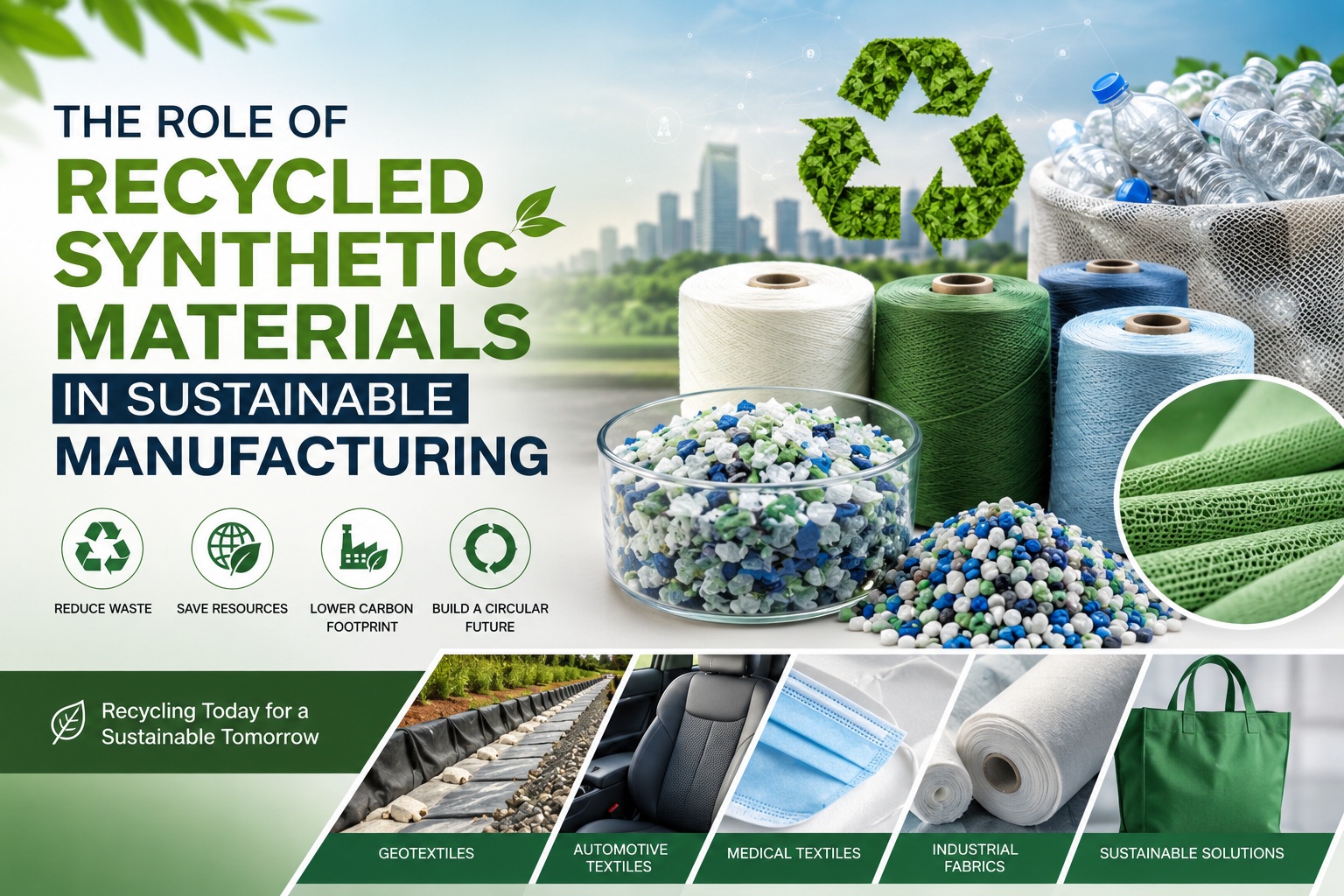
The synthetic fiber segment is also expected to play a major role in future market expansion. Polyester, polypropylene, nylon, and other performance fibers are increasingly being used in industrial applications due to their durability, flexibility, and cost-effectiveness. As global demand for sustainable and recyclable materials continues to grow, Bangladesh is expected to attract more investment in eco-friendly synthetic fibers and textile recycling technologies.
Sustainability is becoming one of the most important drivers of transformation within the global textile industry. International buyers and brands are now prioritizing environmentally responsible manufacturing, low-carbon production systems, recycled materials, and traceable supply chains. Bangladesh has already gained global recognition for its green garment factories, and the country is now expanding its focus toward sustainable technical textile production.
Textile recycling, circular economy solutions, water-saving technologies, and energy-efficient manufacturing systems are expected to become major investment areas over the next decade. These developments will help Bangladesh strengthen its position as a competitive and responsible global sourcing destination.
Another major factor shaping the future of Bangladesh’s technical textile industry is the adoption of Industry 4.0 and smart manufacturing technologies. Automation, artificial intelligence (AI), robotics, digital monitoring systems, and smart production technologies are gradually transforming textile factories into highly efficient and technology-driven manufacturing facilities. These innovations will help local manufacturers improve productivity, reduce costs, maintain international compliance standards, and compete more effectively in global markets.
The Bangladesh technical textile sector also presents significant opportunities for international machinery manufacturers, technology providers, synthetic fiber producers, nonwoven solution companies, and industrial material suppliers. As global buyers continue diversifying sourcing destinations, Bangladesh is increasingly being recognized as a strategic manufacturing hub for advanced textile products and industrial materials.
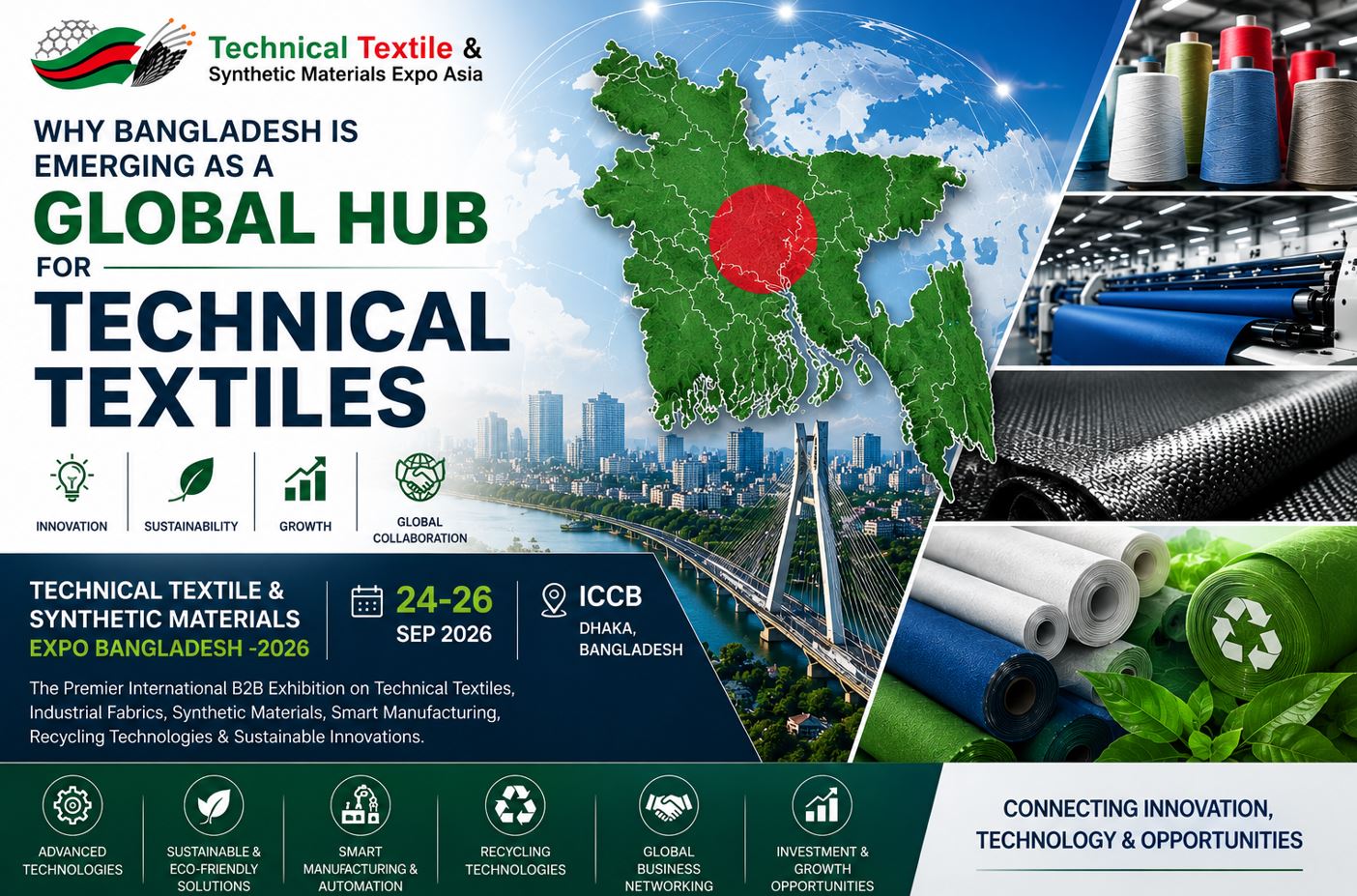
In this growing industrial landscape, the “Technical Textile & Synthetic Materials Expo Bangladesh 2026” will serve as a major international platform connecting global manufacturers, technology providers, suppliers, investors, buyers, and industry professionals. The exhibition will play an important role in showcasing the latest innovations, promoting international business partnerships, and supporting the future growth of Bangladesh’s technical textile and synthetic materials industries.
Bangladesh is no longer viewed only as a traditional apparel manufacturing country. The nation is now positioning itself as a future center for advanced, sustainable, and technology-driven textile manufacturing, creating new opportunities for global trade, industrial innovation, and long-term economic development.
About the Author